Villa Miranda - Croazia
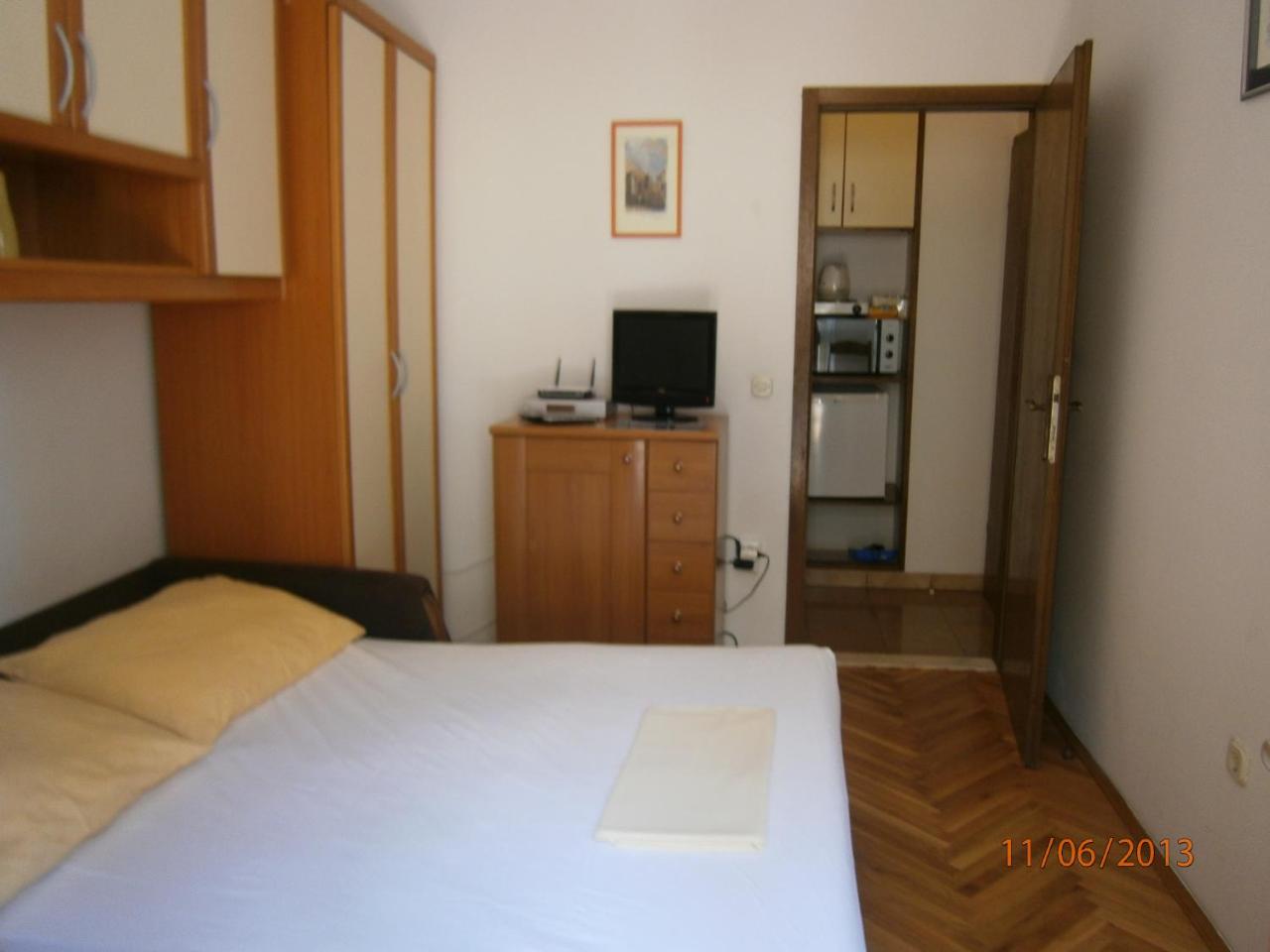

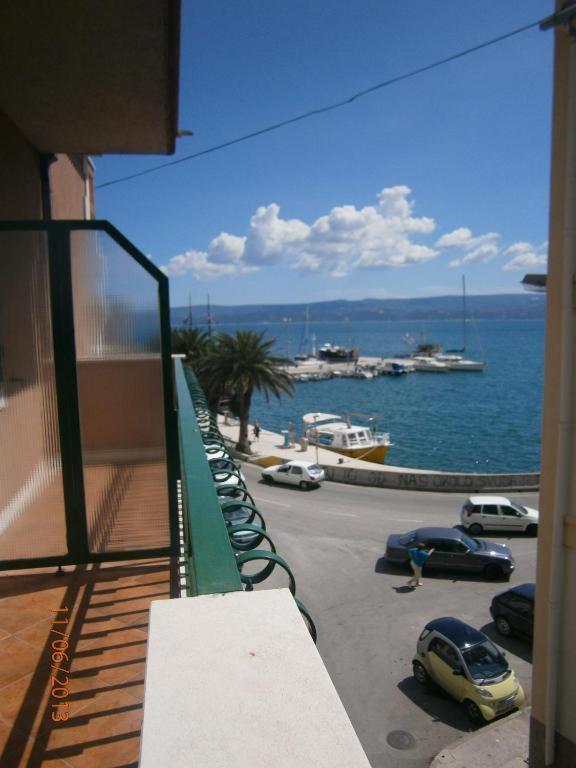
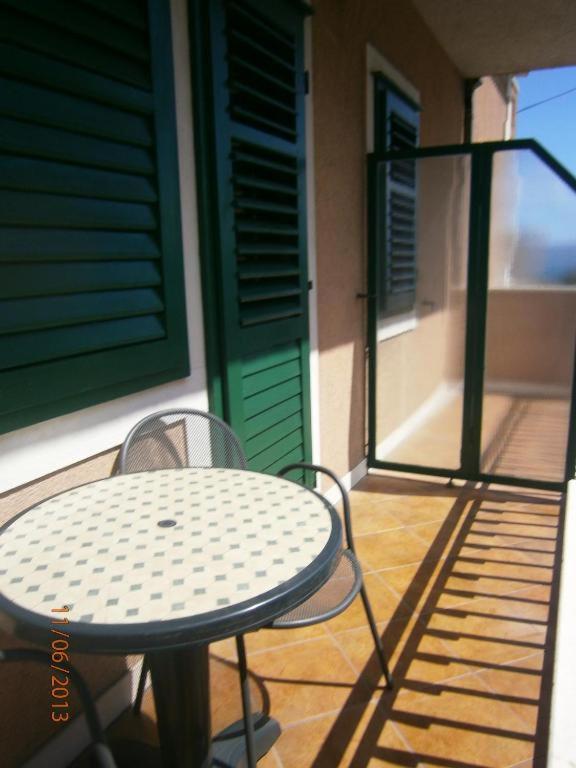
This property is 1 minute walk from the beach. Set in Omiš in the Split-Dalmatia County region, with Velika Beach and Luka Beach nearby, Villa Miranda - Croazia offers accommodation with free WiFi and free private parking. Some of the units feature a satellite flat-screen TV, a fully equipped kitchen with a dishwasher, and a private bathroom with a shower and free toiletries. Punta Beach is 250 m from the apartment. The nearest airport is Split Airport, 44 km from Villa Miranda - Croazia.
Book a room

Booking.com
What to see in Omiš
OMIš (in Italian, Almissa) is a city and port in the Dalmatian region, in Croatia. It belongs to Split-Dalmia County. The city is located about 25 km southeast of the second largest city in Croatia, Split. It is located at the mouth of the Cetina River in the Adriatic Sea (in Croatian: Jadransko More). IMO has a population of 15,800 and its area is 266 km².
Omiš was well known in the past by the Corsary of Almissa (Omiški Gusari) whose sagittas (ships) (genitive case: Sagittae, translated as the arrow), has given them fame, since they were built for the attack and rapid recovery in The mouth of the Cetina River for the protection of the city of foreign invaders. On a very early date, the neighbors of the Corsairs of Almissa, the mountaineers of the Principality of Poljica (Poljička Republika), became their friends and allies. This allowed them to harass maritime trade, without fear of a sudden attack from inland.
IMO was the most important city in Pagania. The Byzantine Emperor Constantine VII Porfirogeneta stressed that "the Pagani are descendants of the unbaptized Serbs" and that "they are called that because they did not accept baptism at the time when all Serbs were baptized." The name Pagania is due to the fact that its inhabitants were not Christianized and considered them pagans. It was the most northwest zone of Dalmatia reached by the Serbian tribes.
Eslavas migrations arrived in the region during the 3rd and centuries; Immigrants quickly assimilated the skill in maritime navigation of the existing Romanized peoples. Thus, the Narentino pirates reached remarkable fame; They arrived at the Italian Peninsula in their incursions and became a threat to navigation in the Adriatic. Due to this situation and its confrontation with the Republic of Venice, the Venetian dux, tradonic Pietro, directed a large fleet against the Slavatic Slavic pirates in 839. In 888, during another naval battle in the Adriatic between both armed, the Dux Pietro I Candian.
Although the inhabitants of the area had maintained marine and piracy tradition for several centuries, in addition to resisting the influences of Christianity maintaining their pagan identity, in the ninth century the Roman emperor of the East Basilio I managed to subjugate them after a maritime campaign that He submitted the entire dalmia to the Byzantine Empire. In this way, the pagans accepted their baptism and were under the Byzantine protectorate.
The influence of the Lady Lords on the Narentina lands, as well as on the nearby principals of Zahumlia and Travunia began to become evident since the ninth century. After the 893 pact between the ancient enemies dug and Bulgaria, Petar Gojniković - they set Serbian prince of the house of Vlastimirović - began to exert his influence on Pagania with full effect. But soon new divergences between Serbs and Bulgarians emerged, with the deposition of Petar, which led to the occupation of Pagania by the kingdom of Croatia. Under Croatian sovereignty, the Narentinos still had frequent conflicts with the Venetian Republic. Finally and after the taking of several of its islands, in 1444 Venice seized Omiš, submitted the Narentinos, and Pagania became part of the Republic of Venice. The entire Dalmatian coast remained under Venetian protectorate until the disappearance of the Republic in 1797; In 1804 the Austrian Empire was integrated as the kingdom of Dalmia.